
What did research find for the 40 conditions in the guide?
- 3 proven
- 1 may help a little
- 9 mixed
- 10 not studied
- 17 no effect
What does it help with?
Proven to help
- Dravet SyndromeStrong evidence
- Lennox–Gastaut SyndromeStrong evidence
- Tuberous SclerosisModerate evidence
May help a little
What doesn’t it help with?
No effect found
For the remaining 19 conditions, results are mixed or research is limited. strong evidence, insufficient evidence

CBD and CBD oil: what does it help with, and what doesn’t it?
We read 920 peer-reviewed studies on 40 conditions, and we’re also tracking 264 clinical trials; 168 of them are still ongoing. For each topic, we explain in plain language what research found and how far you can trust that finding.
Browse by conditionWhich condition are you looking for information on?
For every condition, two things: what research found and the strength of evidence.
 Mixed results●●○○Anxiety (generalized anxiety)Study results don’t agree with each other; the evidence is weak.38 studies
 Not enough research○○○○Migraine and headacheNo benefit has been shown; there are very few studies on this.8 studies
 No effect found●●●○FibromyalgiaControlled studies found no benefit for pain.18 studies
 Not enough research●○○○DepressionThere aren’t enough studies to draw a conclusion.26 studiesEvidence mapAll 40 conditions in one tableOpen the map
Interactive 3D map
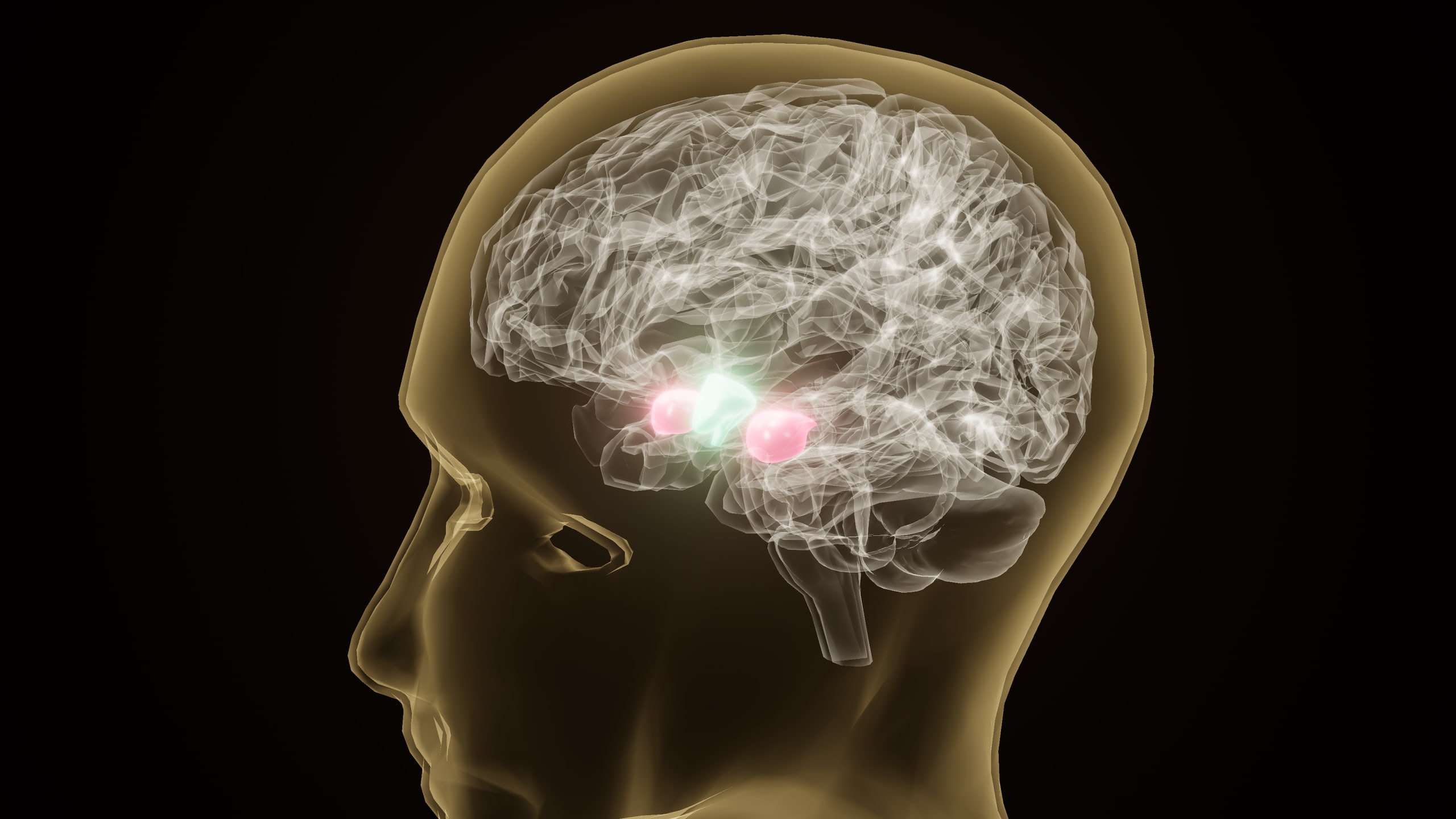
3D map of the endocannabinoid system
Where in your body are the cannabinoid receptors? Explore 28 regions using real anatomy and human tissue data: what CB1 and CB2 do there, and what is actually known about CBD.
- 28 regions, from brain to skin
- 321 sources, with the type of evidence for every fact
- Three levels of explanation: for everyone, students and experts
- Lesson mode for the classroom
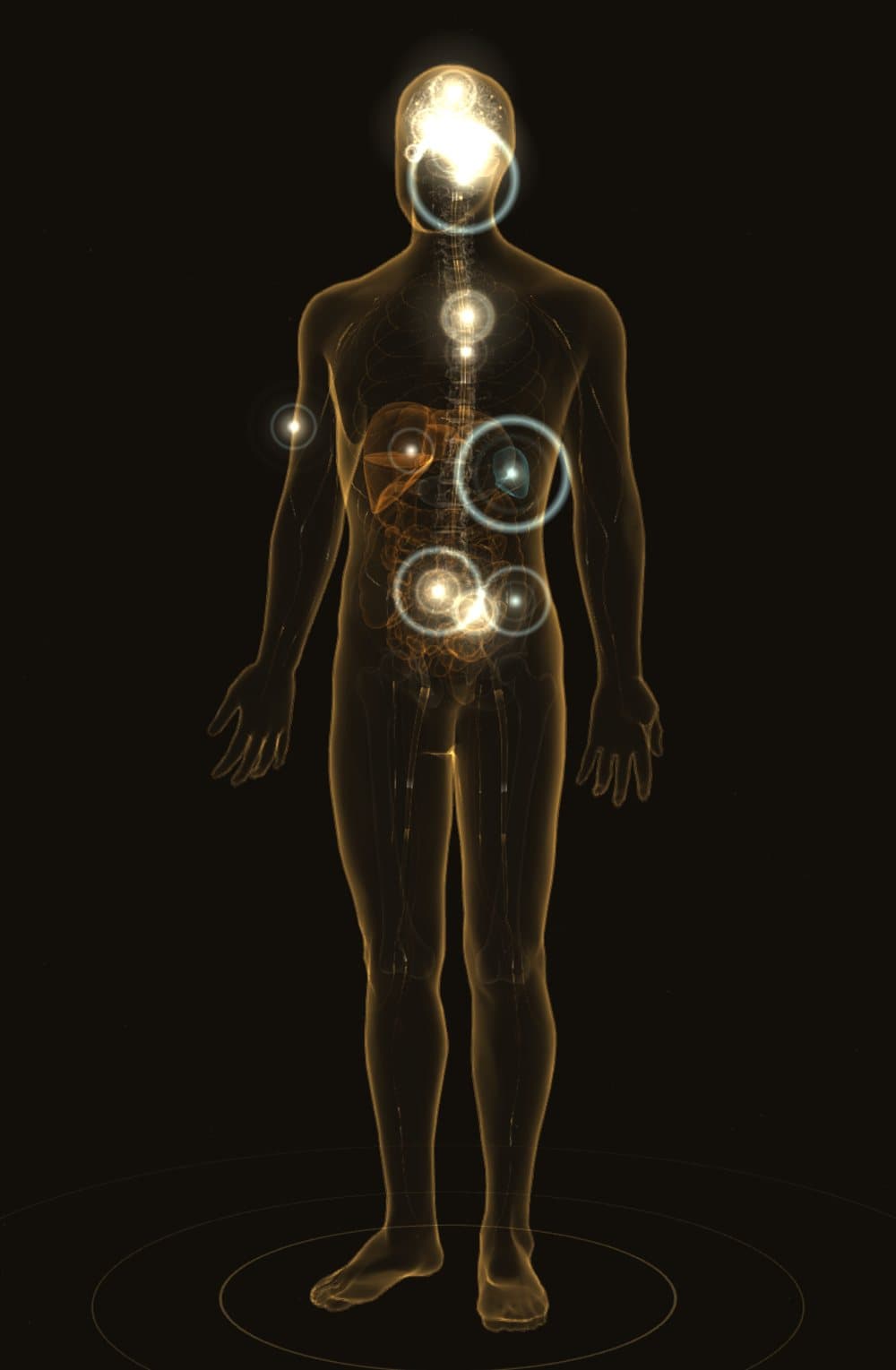
Image from the map itself: models from BodyParts3D (DBCLS) and Z-Anatomy, data from the Human Protein Atlas.
Most asked questions
All articles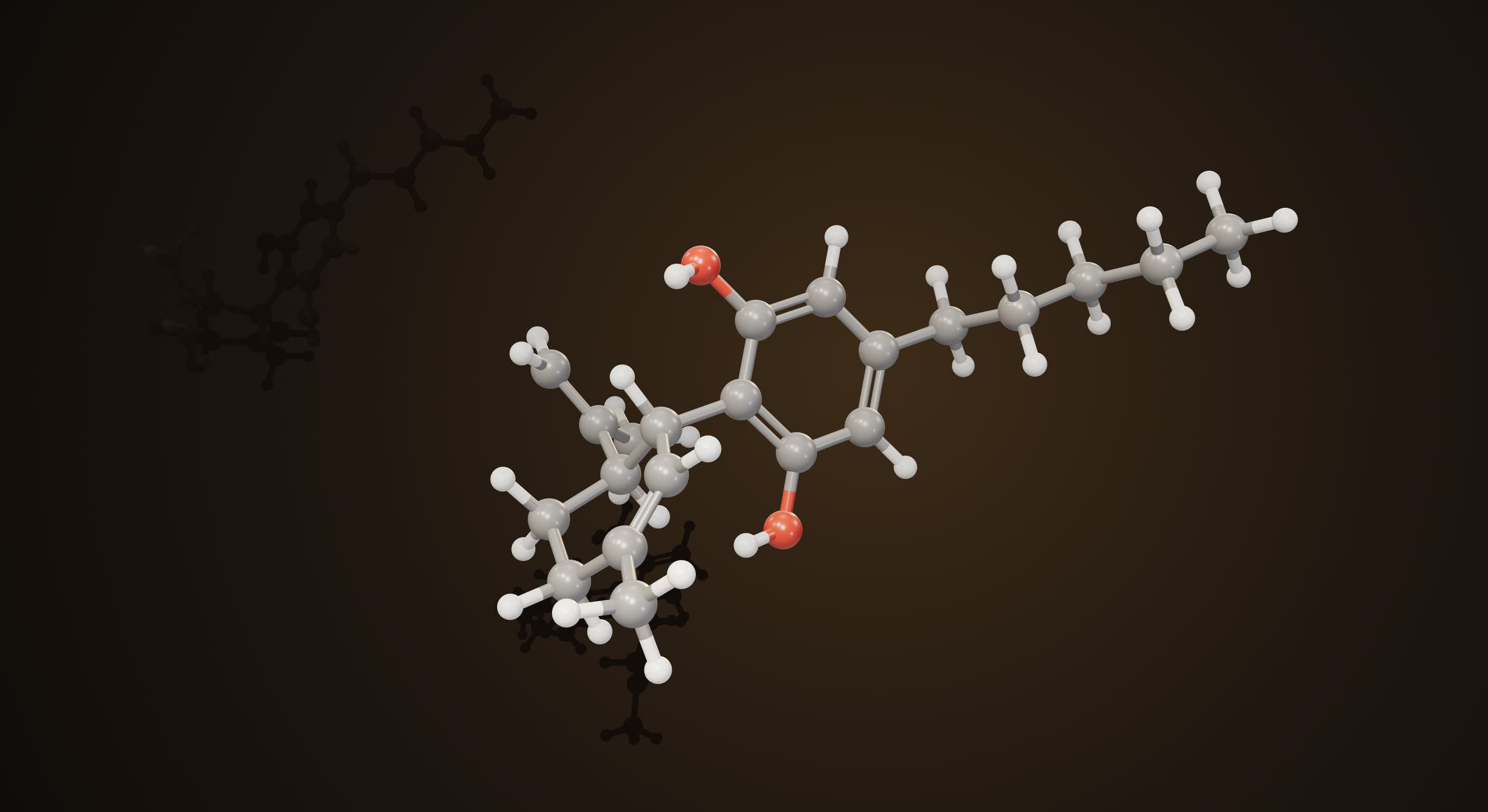
New articles
Our latest articles, newest first.
 NewScience: cannabinoids and the bodyWhat Are Synthetic Cannabinoids? What’s in the Liquids, Puffs and Gummies Sold as "THC"?
 NewScience: cannabinoids and the bodyWhat Is Delta-8 THC (Δ8-THC)? Effects, Risks and Legal Status
 NewScience: cannabinoids and the bodyWhat Is HHC (Hexahydrocannabinol)? Effects, Risks and Legal Status
 NewGeneral healthCBD Before Surgery: What Should You Tell Your Anesthesia Team?
Taking medication? Check here first
How to use CBD oil
Doses from peer-reviewed studies, strength of evidence and drug interactions for 40 conditions. See your personal warnings and prepare a summary to take to your doctor.
- Choose your conditionSee what research found and the strength of evidence.
- See your warningsWhat to watch for with your medications and your situation.
- Take it to your doctorPrint the summary; your doctor decides the dose and follow-up.
How many drops of CBD oil?
Turn the dose your doctor prescribed into drops.
1. How many mg of CBD are in the bottle?
2. How many ml is the bottle?
3. How many mg did your doctor prescribe?
For 25 mg
5 drops
Each drop contains about 5 mg of CBD.
Your doctor decides the dose. This tool only shows how many drops that is.
For another bottle, a percentage (%) or a syringeWe track new research
When a topic’s result or strength of evidence changes, we note it on its page and show it here too.
- · AutismA separate section was added to the page for children with intellectual disability and severe behavior problems. The only controlled study testing…
- · Cancer TreatmentFive observational studies (head and neck, lung and bladder cancer) looking at the course of the disease in people who were using or had previously…
- · PTSDThe Turkey question now adds that dronabinol and nabilone, which were tested in PTSD studies, are not licensed in Turkey: the list of licensed…
Featured articles
All articles HealthMenopause and CBD: what does the research say?Studies of CBD for menopause symptoms, and their limits.
 CBD oilCBD spectrum guide: full-spectrum, broad-spectrum and isolate compared
 CBD oilCBD oil or hemp seed oil? 7 key differences
 Skin and cosmeticsCBD oil and your skin: research and side effectsWhat does research say about CBD products applied to the skin?
We rely on peer-reviewed studies
We tie every health statement to a study or an official body, and we show the source on the page.
How we rate the evidenceWe sell no products and recommend no brands
We never take payment to write in favor of any product. We don’t give personal dose advice either.
Our editorial policyWhen the evidence is weak, we say so
We also show topics where no benefit was found or that haven’t been studied. We don’t offer false hope.
Trusted sourcesFrequently asked questions
Is CBD oil a drug? Does it get you high?
No. CBD is not THC, the substance in cannabis that gets you high; pure CBD does not cause a high. According to the World Health Organization’s 2018 review, pure CBD showed no signs of dependence or abuse in people. Still, many CBD products contain small amounts of THC that aren’t always listed on the label, and that THC can cause a positive drug test.
Is CBD oil legal in Turkey, and where can you get it?
There is a legal route, but it’s narrow. Under Turkish law, products made from cannabis can be sold only in pharmacies and must be licensed by TİTCK (the Turkish Medicines and Medical Devices Agency); cosmetic products are notified to TİTCK. Products sold outside pharmacies are seized. As of October 2026, we found no licensed CBD product sold in pharmacies in official sources. Details are on our Turkey regulation page.
Are CBD oil and hemp seed oil the same thing?
No. Hemp seed oil is a cooking oil pressed from the seeds; the seeds don’t naturally contain CBD or THC, though trace amounts can get in during processing. In 20 seed oils sold in Turkey, CBD came to at most about 0.02 mg per ml. If the bottle doesn’t say how many mg of CBD it contains, don’t count it as CBD oil.
What conditions does CBD oil help with?
We looked at 920 peer-reviewed studies on 40 conditions. An effect has been shown for 3 of them: Dravet Syndrome (strong evidence), Lennox–Gastaut Syndrome (strong evidence) and Tuberous Sclerosis (moderate evidence). Results are mixed for 9, no benefit was found for 17, and for 10 there aren’t enough studies to draw a conclusion. The result for each condition, along with the strength of evidence, is in the CBD Guide.
Does CBD oil have side effects?
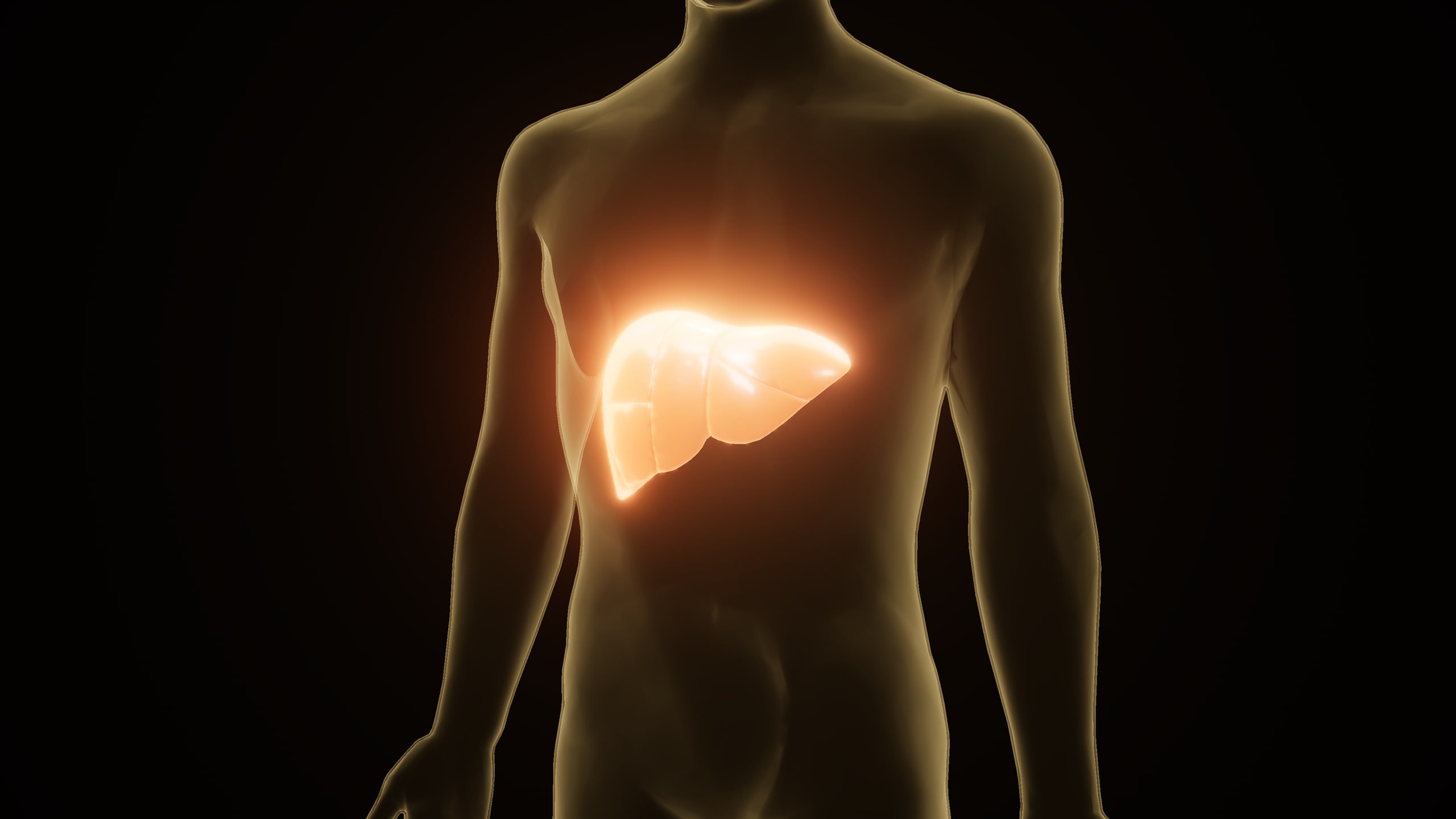
Yes. In studies of the approved CBD medicine, the most common were sleepiness, decreased appetite, diarrhea and raised liver enzymes; in a 4-week study in healthy adults, liver enzymes also rose in some people. CBD interacts with some medications: look up yours in our drug interaction tool, which covers 78 medications, and talk to your doctor.
How many drops of CBD oil should you take?
We don’t give personal dose advice; your doctor decides the dose. The number of drops depends on the total amount of CBD in the bottle and the bottle’s volume. You can use the drop calculator to turn the milligrams your doctor prescribed into drops. The doses used in studies are listed on each condition’s page.